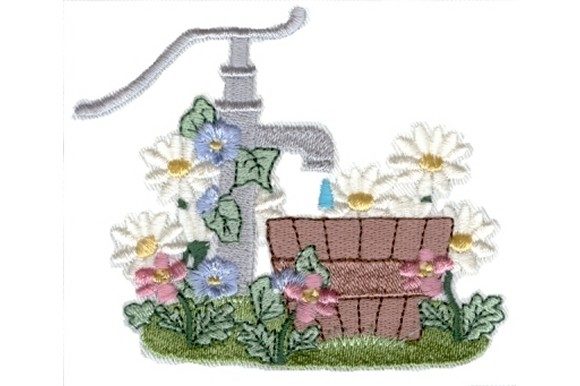
Garden Spigot: An Embroidered Floral Vignette for Market Success
As an embroidery designer preparing for a craft fair, every new design is a potential product and a business decision. When I look at Garden Spigot, described as a Garden Floral Vignette, my first task is to judge its real-world potential. This isn't just about a beautiful embroidery file; it's about what will sell on a crowded table of handmade goods.
First Impression: A Softly Rustic, Decorative Statement
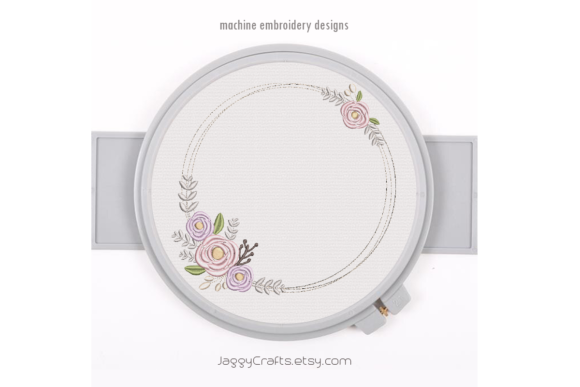
The title Garden Spigot paired with Garden Floral Vignette immediately sets a mood. This design isn't bold or minimal; it feels decorative, soft, and gently rustic. It evokes a sense of cottage charm and garden whimsy without being overly cute or farmhouse-cliché. That's a valuable niche. On a craft fair table surrounded by loud patterns and stark modern designs, Garden Spigot will stand out as a premium, peaceful vignette. It suggests handmade quality and thoughtful design, which is exactly what customers at these events are looking for.
Product Performance: Where This Design Will Thrive
The category "Bouquets" and the type "Embroidery" point towards floral arrangements, but the specific name "Garden Spigot" adds a unique anchor. This needs to be translated into physical products. My booth will have tote bags, aprons, tea towels, caps, patches, and pillow covers. Here’s where I see Garden Spigot performing best.
Top Candidates for Maximum Appeal
Tote bags and market bags: A larger version of this floral vignette centered on a natural canvas tote makes an instant statement piece. It feels giftable and useful. Pillow covers: This design has the decorative scale to be a beautiful focal point on a linen or cotton pillow, elevating a simple product. Tea towels and kitchen towels: The rustic, garden theme aligns perfectly with kitchen textiles. It must be tested on the textured fabric of a towel to ensure clarity.
Strong Secondary Products
Aprons: Placed on the bib or pocket of an apron, it creates a cohesive, themed product for the kitchen or garden. Fabric pouches and small giftable items: As a smaller accent on a zipper pouch or cosmetic bag, it becomes a delicate, premium detail that buyers love. Embroidered patches: If the detail level allows, a patch version could sell well to a different customer base, but stitch density and small elements must be checked.
Considerations for Other Applications
Caps: Embroidering on the curved surface of a cap is tricky. This design likely has elements that may lose integrity on that curve unless simplified. Dark fabrics: The soft, floral mood might require specific thread color choices to maintain its feel on darker backgrounds; a test on scrap fabric is essential.
The Practical Production Checklist
Turning a digital embroidery file into a batch of craft fair products requires a production mindset. For Garden Spigot, several points need attention before I commit to hooping dozens of items.
Design Clarity and Scale
How easy is the design to understand at a glance? A customer walking past my booth should instantly recognize its charm. It likely works well as a medium to large focal design. As a small accent on a cap or tiny patch, some of the vignette’s detail—possibly tiny leaves, delicate florals, or small lettering if included—might become muddled. I must confirm the minimum hoop size recommended and test it at that smaller scale.
Photography and Online Sales
For my Etsy listings and printable mockups, this design needs to photograph well. Its soft, decorative nature should look elegant and handmade in product photos. Contrast is key: I'll need to test it on light and mid-tone fabrics to ensure the stitch definition pops in images, which drives online sales for small shop products.
Batch Production and Repeatability
Is this design repeatable? Can I embroider it efficiently on twenty tote bags without constant thread breaks or re-hooping issues? I must inspect the stitch density in the embroidery file. Dense, layered floral areas can be beautiful but time-consuming and require robust stabilizer. For commercial embroidery at a fair, time is profit. I'll run a test on my target fabric (like canvas) with the correct stabilizer to gauge production speed.
Booth Display and Customer Engagement
A design's value isn't just in the finished product; it's in how it pulls customers into my space. Garden Spigot affects several layers of my business.
Visual Appeal & Attention: In a display, items bearing this design will create a cohesive, thematic zone in my booth—a "garden corner" of tote bags, pillows, and towels. This grouping tells a story and attracts buyers interested in that aesthetic.
Product Value & Handmade Quality: The intricate, vignette style suggests skill and care. It allows me to price items at a point that reflects that perceived quality, enhancing my brand consistency as a designer of decorative, thoughtful pieces.
Buyer Engagement: Customers often touch embroidered items. The texture of this floral design will be inviting. They might ask about the spigot element or the flowers, creating a conversation point that can lead to a sale.
Final Designer Notes Before the Fair
My professional rule is to never sell a product I haven't physically made and examined. For Garden Spigot, my final steps are absolute.
- Create a real mockup on the primary product I intend to sell (e.g., the canvas tote). This reveals any real-world issues with fabric thickness or thread tension.
- Compare fabric colors: Test the embroidery file on a light linen, a natural canvas, and perhaps a muted olive or slate to see which background best enhances its soft rustic mood.
- Review spacing and thread contrast: Ensure elements aren't too close together, risking stitch overlap, and that the chosen thread colors have enough contrast against the fabric for clarity.
- Confirm commercial licensing: Before producing any batch for sale, I must verify the license terms of the digital embroidery file. Can I use it to produce and sell handmade products at a craft fair and online? This is a non-negotiable step.
In the end, Garden Spigot presents a compelling opportunity for craft fair sellers and embroidery business owners. Its decorative, softly rustic vibe fills a specific market desire. With careful attention to its application on the right products—primarily tote bags, pillows, and kitchen textiles—and diligent pre-production testing, it can become a standout, profitable line in your handmade market collection. It’s the kind of design that doesn't just get noticed; it gets remembered and purchased.