Pyramid Toy: A Bright Design for Craft Market Success
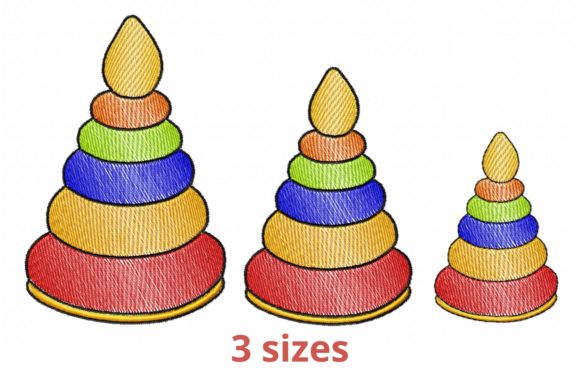
Let's be honest. When you're packing your booth for the weekend craft fair, you're looking for designs that do three things: attract eyes from across the aisle, photograph beautifully for your Etsy shop, and stitch out reliably so you can batch produce without panic. From my studio, where I turn digital embroidery files into actual, sellable products, I'm looking at the Pyramid Toy description with a practical eye. It’s described as a multi-colored bright children's toy design, meant to decorate baby clothes, bibs, and crib sides. That tells me the mood is playful, cheerful, and decorative. It’s not minimal or rustic; it’s a bold, happy accent. That’s a strong starting point for a handmade market.
First Impressions and Booth Placement Strategy
The word "bright" and "multi-colored" are your immediate clues. In a crowded booth, amid a sea of tote bags, aprons, and pillow covers, color is your best weapon. This design promises a pop of saturated hue. Imagine it on a natural linen tote bag or a crisp white tea towel—it would immediately stand out against more muted, farmhouse-style items. For a craft fair seller, visual contrast on your display table is crucial. I’d place products featuring Pyramid Toy at the front of my table or use them as vertical displays on a stand. Its inherent "toy" theme also creates an instant emotional hook for customers shopping for gifts, pulling them into a nostalgic, playful mindset.
Where This Embroidery Design Shines on Products
You have a versatile machine embroidery design here, but not every product substrate is a perfect match. Your job is to find the best marriage between the design’s character and the product’s function and fabric.
Prime Candidates for Maximum Impact
Tote bags and market bags are a top-tier choice. The design area mentioned suggests it’s likely not a tiny fill-in. On a bag’s flat, broad side, Pyramid Toy can become a delightful focal point. The bright colors translate to a "fun" bag, perfect for a gift or a personal statement piece.
Children’s items and baby gifts are the obvious home. Embroidering it on a high-quality organic cotton bib or a soft burp cloth instantly creates a premium, handmade baby product. This is a solid niche for boutique makers.
Embroidered patches are a fantastic, low-risk product. A vibrant Pyramid Toy patch can be applied to anything, from a backpack to a denim jacket. It’s an easy, high-margin small shop product that appeals to both kids and adults who love a quirky accent.
Pillow covers, especially for kids' rooms or playful spaces, could work wonderfully. The decorative nature fits perfectly.
Considerations for Other Products
Aprons and kitchen towels can work, but you must consider context. On an apron, it leans toward a "fun kitchen" or "gift for a new mom" vibe rather than a sleek, modern cook’s apron. On a tea towel, the fabric texture is key; a smooth, high-quality cotton is better than a highly textured terry cloth where small details might get lost.
Caps present a challenge. The curved surface of a cap requires a design that can adapt, and small, intricate details in a Pyramid Toy might not stitch cleanly on that curve. You'd need to test this thoroughly.
Small pouches and giftable items like cosmetic bags are excellent if the size is right. It becomes a charming, recognizable signature on a small item.
The Practical Production Checklist
Before you commit to a batch, your embroidery designer mindset must kick in. This isn't about the art; it's about the manufacturable, sellable craft fair product.
Testing for Real-World Execution
- Always test on scrap fabric first. Use the exact fabric you plan to sell—linen, cotton canvas, terry, etc. The stitch density and thread coverage can look vastly different.
- Check thread contrast. "Multi-colored bright" suggests many thread changes. On dark fabric backgrounds, you must ensure those bright colors still pop. Some colors might need to be swapped for higher contrast versions.
- Review spacing and small details. Does the design have tiny elements or very dense stitch areas? On a bib or baby cloth, dense stitches can make the fabric stiff. On a tote bag, it’s less critical.
- Confirm the effective hoop size. While the description says it comes with multiple embroidery file formats, you must know the physical size. Does it fit comfortably in a common hoop size you use for your products? A design too large for your standard tea towel hoop is a problem.
- Inspect for clarity at smaller sizes. Could you scale it down for a tiny accent on a collar? Or does it only work as a medium-to-large motif? This affects your product range.
- Use the right stabilizer. For lighter fabrics like those for baby items, a sturdy cut-away stabilizer might be needed to handle multiple colors and maintain shape.
Selling and Photographing Your Finished Product
This design’s strength for an Etsy seller or digital seller is its photogenic quality. Bright, multi-colored embroidery photographs beautifully against neutral backgrounds. For your online listings, create clean, well-lit photos on the actual products. A Pyramid Toy embroidered tote bag against a wooden table or a white wall will look professional and appealing. Always create at least one real mockup for photography—never rely solely on digital printable mockups. The real texture of threads and fabric adds perceived value.
For batch production, the repeatability depends on the stitch count and thread changes. A design with 20 color changes might be time-consuming for large batches. Evaluate if the final product’s selling price justifies the production time.
Final Notes on Value and Buyer Engagement
Pyramid Toy adds a specific kind of value: playful, gift-oriented, decorative value. It won’t feel "premium minimalist," but it will feel "handmade with joy." This consistency can strengthen your brand if you cater to the kids' market, gifts, or cheerful home decor.
At the craft fair booth itself, a customer noticing this design on a product will likely react with a smile or a comment. It’s an engagement trigger. You can easily talk about its whimsical nature, its suitability for gifts, or how it brightens up a simple item. That personal story sells.
A crucial, final professional note: The description states it’s a machine embroidery design with multiple embroidery file formats. Before any commercial embroidery or selling finished products, you must confirm the commercial licensing terms of the digital embroidery file. Not all designs are sold with commercial rights. Ensure your use at craft fairs and in your handmade shop is completely covered. Once that’s clear, you have a vibrant, attention-grabbing design that, when paired with the right product and production care, can become a reliable seller in your creative entrepreneur toolkit.