Kitty Stuffie: A Delightful Embroidery Design for Real Projects
A Softie That Delivers Instant Charm
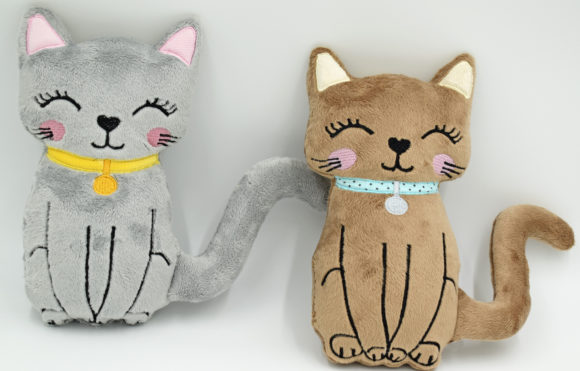
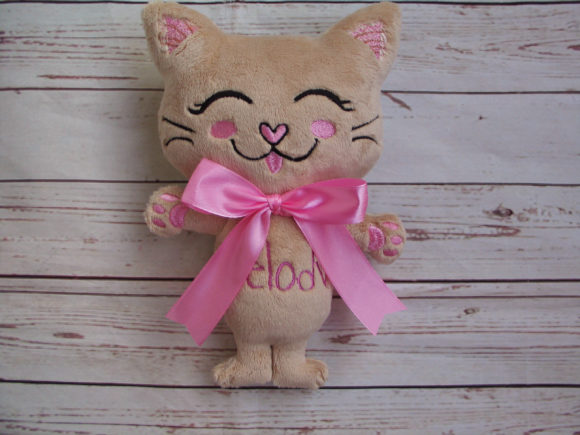
Opening the Kitty Stuffie ITH – Cat Softie embroidery file, my first impression is one of pure, playful charm. The design has a rounded, friendly shape that feels immediately approachable. It’s not overly detailed, which is actually its strength; it’s a clean, recognizable cat silhouette that promises to stitch out with clarity. This isn’t a hyper-realistic portrait, but a softie with personality—perfect for projects where warmth and whimsy are the goal.
The mood it creates is gentle and joyful. It feels destined for items meant to comfort, celebrate, or simply bring a smile. I can already visualize it on a child’s blanket or as a sweet accent on a kitchen towel. The layout is straightforward, with no tiny, fussy elements that might get lost in translation from digital file to physical stitches. This visual personality makes it a versatile asset, especially for makers who want a design that reliably communicates a feeling of kindness.
Where This Cat Softie Shines in Your Work
In real-life embroidery situations, the Kitty Stuffie design finds its home on a wide range of projects. For custom apparel, think of it centered on a lightweight sweatshirt or the corner of a t-shirt—a subtle, personal touch. It’s ideal for baby embroidery on bibs or simple rompers, where the soft shape is comforting. As an embroidered patch, it would hold up beautifully, its solid form making it recognizable even at a small scale.
I’m particularly thinking of a practical scenario: preparing a set of tote bags for a local craft fair. Using Kitty Stuffie as the central motif on a natural canvas bag creates a product that’s both functional and endearing. It elevates a simple bag into a handmade product with character. For a small shop product like a pillow cover or a holiday embroidery gift—perhaps a personalized tea towel for a cat-loving friend—this design adds value through its unambiguous appeal. It’s a design that doesn’t require explanation; people understand the sentiment immediately, which boosts buyer engagement and giftability.
Considering Commercial Use and Presentation
For Etsy sellers and creative entrepreneurs, using Kitty Stuffie in your listings or on your actual merchandise can enhance customer trust. When a design stitches out cleanly and looks as promised in your printable mockup, it reinforces your professionalism. This machine embroidery design, with its likely use of solid fill stitch areas and clean outlines, should result in a crisp finished product that looks intentional and well-made. That consistency is key for brand consistency if you’re building a line of animal-themed items.
Spots Where a Practical Designer Would Advise Caution
While the description says it will look great on any fabric, a realistic approach is always wise. On highly textured fabrics like loose-knit sweaters, the smooth edges of the softie might get a bit lost. On very thin fabric without adequate stabilizer, the stitch density could cause puckering. I’d be mindful using it on dark fabric without first considering thread color contrast; a light-colored cat on a black background needs bold, opaque threads to pop.
For curved surfaces like caps, the rounded shape of the Kitty Stuffie could work well, but you’d need to ensure your hoop size and placement accommodate the design’s width. Also, for products destined for frequent washing, like baby clothes or kitchen linens, a robust stabilizer and quality thread are non-negotiable to maintain that clean look over time. The design doesn’t appear to have intricate tiny lettering or overly dense stitch areas, which is a relief, but always inspect the actual file for any small decorative accents that might need special attention.
Essential Notes Before You Hoop Your Fabric
My strongest advice for any fellow designer or crafter is to test the design on scrap fabric first. Use the same material and stabilizer you plan for the final project. This tells you everything: how the satin stitch or fill stitch behaves, whether any running stitch details are clear, and how the overall proportions look.
- Check thread color contrast against your final background. Run a mental black and white mockup in your head—does the silhouette hold its form?
- Review stitch density by looking at the sewn test piece. Is it appropriate for your chosen fabric weight?
- Confirm hoop size and machine compatibility by examining the provided embroidery file formats. The product mentions multiple formats, so select the one your machine reads best.
- Always compare light and dark fabric backgrounds in your testing if you plan to use the design across different products.
Finally, and crucially for small business owners and digital product sellers: check whether the design works for both personal and commercial projects. Confirm licensing before selling finished items or including it in your digital product previews. This due diligence protects your craft business and respects the designer’s work.
The Final Stitch: A Design Worth Making
The Kitty Stuffie ITH – Cat Softie feels like a reliable, charming design asset. Its strength is in its emotional clarity and stitch-friendly composition. It’s a design that, when executed with practical care, translates into a finished product that looks professional and feels heartfelt. Whether for a personalized gift, a boutique branding item, or simply a joyful embroidery project for your own home, this little cat softie has the potential to become a favorite, frequently-hooped file in your digital library.