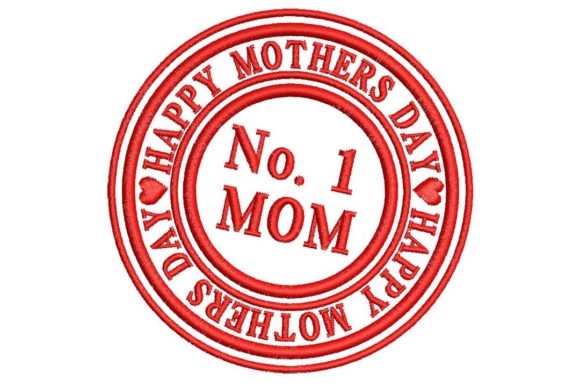
A Practical Review of 'Happy Mothers Day No. 1 Mom'
As an embroidery designer who relies on digital files for both personal projects and commercial work, I approach every new design with a critical eye. It’s not just about aesthetics; it’s about how a design translates from screen to stitch in a real-world application. Today, I’m evaluating the Happy Mothers Day No. 1 Mom embroidery design, considering it for a batch of Mother's Day gifts for a client.
First Impression and Design Mood
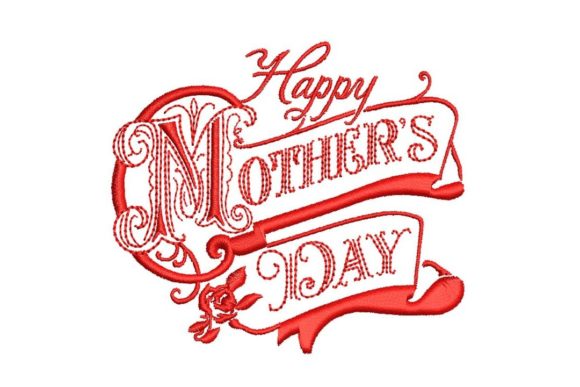
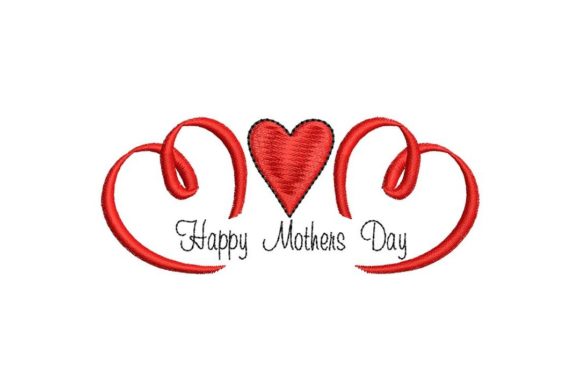
The title Happy Mothers Day No. 1 Mom sets a clear, celebratory expectation. This isn't a subtle, minimalist piece. It carries a traditional, heartfelt mood perfect for the holiday. The design appears to be a decorative statement piece, likely combining text with illustrative elements. Its personality leans towards being a central focal point rather than a small accent. This tells me it’s naturally suited for projects where the embroidery is the star: things like a pillow cover for a nursery, a feature on a kitchen towel, or the main decoration on a tote bag or apron. For crafters and Etsy sellers, this visual appeal directly impacts product photography and customer engagement—it’s a design that catches the eye instantly in a listing or at a craft fair.
Considering Real Project Performance
My primary concern is always how a file performs on different materials and in various product contexts. For Happy Mothers Day No. 1 Mom, I would immediately think about its application across a range of popular items.
Apparel and Home Decor
For custom apparel like sweatshirts, the design’s scale and detail level need to be checked. If the lettering is very small, it might not stitch cleanly on stretchy fabric without proper stabilizer. For a baby blanket or other nursery decor, the design’s sentiment is perfect, but stitch density must be appropriate for softer textiles to avoid a stiff, uncomfortable finish. On a cap, the curved surface presents a challenge; designs with dense fill stitch areas can pucker if not hooped correctly. This design seems ideal for flat surfaces like pillow covers or embroidered patches where stability is easier to achieve.
Commercial and Handmade Use
For small business owners creating handmade gifts or boutique merchandise, this machine embroidery design can enhance product value. A well-embroidered, high-quality design builds buyer trust and improves the item's giftability. However, its commercial success hinges on execution. If the design has intricate satin stitch borders or layered details, it will require more time and precision, affecting production speed for craft fair products.
Critical Practical Embroidery Notes
Before running this file for a customer order, a series of practical steps are non-negotiable. They protect your reputation and ensure a beautiful finished product.
- Always test on scrap fabric. Use the same material as your final project—a test on canvas for a tote bag, or on cotton for a kitchen towel. This reveals how the stitch density interacts with the fabric.
- Check thread color contrast. Create both light and dark fabric mockups mentally or digitally. Does "No. 1 Mom" in potentially light thread disappear on a pale sweatshirt? Would it need a bold underlay on dark fabric?
- Review the smallest details. After stitching your test, inspect any tiny elements. Small lettering can become blurry if the file isn't optimized, which is a common issue in text-based designs.
- Confirm the hoop size requirement. The product description mentions it comes with multiple embroidery file formats, but the specific hoop size is not stated. This is crucial. Before starting, you must check the actual product page on Creative Fabrica for this information to know if it fits your machine's capabilities and your product's dimensions.
- Use proper stabilizer. Given this is likely a decorative design, using the correct stabilizer for the fabric type is key to preventing puckering, especially on items like aprons or towels that may undergo frequent washing.
File Details and Licensing: A Must-Check
The brief description says this Creative Fabrica embroidery design comes with multiple formats. This is helpful for machine compatibility. However, as a professional, I never assume. Before using any file, especially for commercial embroidery products you plan to sell, you must:
- Visit the product page and confirm the exact embroidery file formats provided (DST, PES, JEF, etc.) to ensure they work with your machine.
- Read the license terms carefully. Does it allow for commercial use on physical products like Etsy listings? This step is foundational for digital product sellers and creative entrepreneurs to maintain brand consistency and legal compliance.
- Look for any notes on stitch count or whether it includes an applique design element, which would change material preparation.
Final Assessment for Your Projects
The Happy Mothers Day No. 1 Mom design holds strong potential for seasonal projects. Its thematic focus makes it a reliable choice for Mother's Day products. For apparel decorators and handmade shop owners, it can serve as a ready-made design asset for creating quick, emotionally resonant products. However, its worth is entirely dependent on its technical execution in the provided files.
My recommendation is straightforward: if the design’s aesthetic fits your product line—think custom apparel, embroidered patch, or personalized gift—then it is worth downloading. But, your next step is not to start stitching. It is to thoroughly examine the file details on its Creative Fabrica page, run the practical tests outlined above, and only then integrate it into your work. This cautious, professional approach turns a promising digital embroidery file into a successful, saleable finished product that truly honors the "No. 1 Mom" it aims to celebrate.