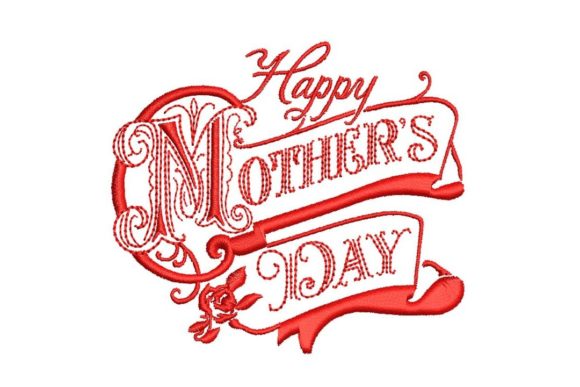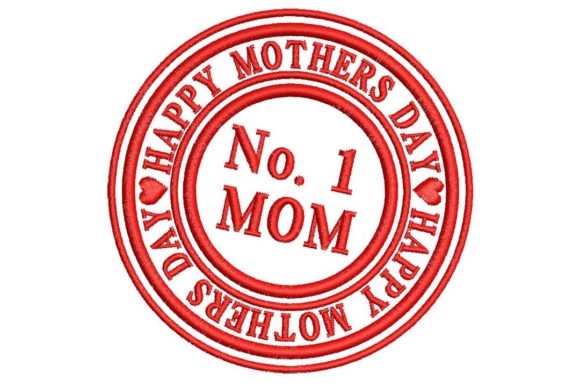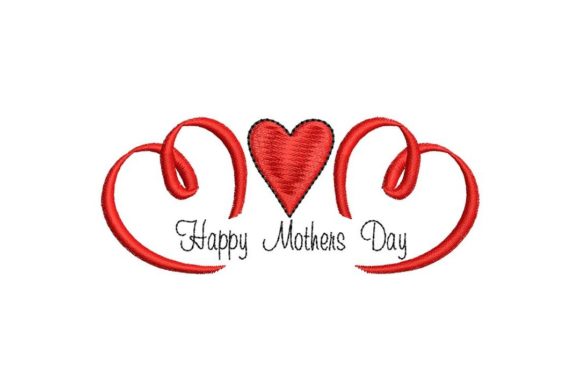
A Designer's Take on the Happy Mothers Day Hearts Embroidery Design
When you're looking for a design to use in a real project, especially for a holiday like Mother's Day, the first impression is everything. You're not just thinking about the file; you're picturing how it will stitch out, how it will feel on a garment, and how a customer or recipient will react to it. That's the lens I applied to the Happy Mothers Day Hearts design. My immediate thought was that it has a warm, traditional, and sincere mood. The heart-centric theme is a classic, and it suggests a layout that's likely balanced and celebratory without being overly flashy. This isn't a wild, modern graphic; it feels like a design that belongs on a heartfelt gift—a personalized keepsake.
Where This Design Finds Its Perfect Home
I envision this embroidery design performing beautifully in a few key real-life scenarios. Imagine you're preparing a custom embroidered tote bag for a Mother's Day boutique product. The hearts would convey a sense of love and care, directly aligning with the gift's purpose. On a cozy sweatshirt or a soft baby blanket, it would feel gentle and affectionate. As an embroidered patch on a denim jacket or a cap, it becomes a versatile, wearable tribute. For kitchen items like aprons or tea towels, it adds a charming, domestic warmth. This design feels most natural on products where the sentiment is the primary focus—holiday gifts, personalized baby items, and small shop merchandise where the handmade presentation is key.
The Sweet Spot for Visual Appeal and Customer Trust
The strength of a design like Happy Mothers Day Hearts is in its clear, recognizable theme. For a crafter or an Etsy seller, this translates directly into product value. A client looking for a Mother's Day gift sees immediate recognition and emotional connection. A clean, well-stitched heart motif on a premium fabric feels professional and trustworthy. It elevates a simple item into a thoughtful gift. For brand consistency in a craft business specializing in family-themed items, it's a reliable asset. The giftability is high because the message is universal and warm.
Practical Considerations Before You Hoop It Up
This is where the designer's mindset shifts from appreciation to practical judgment. While the description notes it comes in multiple embroidery file formats—a crucial advantage for machine compatibility—you still need to do your homework. Always, always test the design on scrap fabric first. Use the same fabric and stabilizer you intend for the final project. This is non-negotiable.
With a heart-based design, pay close attention to the stitch density in any fill stitch areas. Dense stitching on a thin fabric like a t-shirt or a stretchy fabric for baby clothes can lead to puckering or stiffness. Check the scale: does it have tiny lettering within the hearts? If so, you'll need to ensure your hoop size and stabilizer are adequate for clarity. On dark fabric backgrounds, thread color contrast is paramount; a test run will show if your chosen palette pops or gets lost.
Consider the product's life. For items that need frequent washing, like kitchen towels or baby apparel, a design with very dense satin stitch borders might wear differently than simpler running stitch outlines. Inspect the small details and corners in your test; these areas can reveal how the design will hold up over time.
Navigating the Tricky Surfaces and Applications
Some applications require extra care. Embroidering on a curved surface like a cap demands attention to stabilizer and possibly adjusting orientation. Layered garments with seams can disrupt the layout. If you're thinking of using it for a decorative accent on a textured fabric like a sweater, test to see if the texture fights with the design's clarity. The description says it will look great on any fabric or clothes, but as a professional, you know that "any" really means "most with proper preparation." Your job is to identify which ones need that extra preparation.
Turning a Digital File into a Successful Finished Product
For digital product sellers and creative entrepreneurs, this embroidery design is a commercial asset. But before selling finished items or creating printable mockups for your shop, confirm the licensing terms. The description mentions it can be used, but the specifics are vital for commercial embroidery projects. Once cleared, this design lends itself well to digital product previews. Its clear theme makes it easy for customers to visualize on a mockup sweatshirt or tote bag.
My final piece of advice is to think in contrasts. Run a test of the Happy Mothers Day Hearts design on both a light and a dark fabric scrap. This isn't just about thread colors; it's about seeing how the overall composition feels in different contexts. A design that works well on both expands your product range—from bright spring aprons to elegant dark linen pillow covers. It increases your flexibility as a maker or decorator.
In essence, the Happy Mothers Day Hearts design presents a solid, sentiment-driven foundation for a wide range of embroidery projects. Its success in your hands depends on that crucial transition from digital file to physical stitch. By applying these practical, real-use observations—testing thoroughly, considering the end product's use, and respecting the technical requirements of different fabrics—you can ensure this design truly delivers the happy, heartfelt result its name promises.