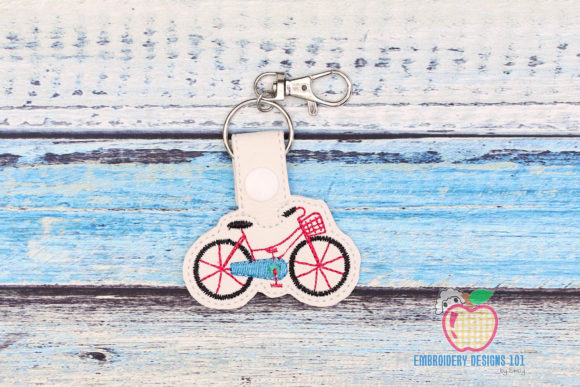
Reviewing a Bicycle with a Basket Keyfob Design
The Charm of a Simple, Nostalgic Theme
When I first opened the Bicycle with a Basket Keyfob embroidery file, the immediate feeling was one of friendly nostalgia. It’s not a complex, high-detail illustration; it’s a charming, clean silhouette that captures a simple, pleasant idea. The bicycle shape is straightforward, with the basket offering a natural focal point. This creates a mood that’s lighthearted and approachable—perfect for gifts or products that don’t need to shout but instead whisper a bit of whimsy. Visually, its personality leans towards casual, everyday joy rather than formal or tech-heavy. It feels like it belongs on items meant for personal use, gifts, or boutique merchandise that values a handmade, story-telling touch.
A Natural Fit for Personalized Gifts and Boutique Products
In practical terms, where does this design live? I’m thinking through a real project: a custom tote bag for a friend who loves gardening. The bicycle with its basket instantly connects to ideas of fresh markets, carrying home flowers, or a leisurely weekend ride. It’s a symbol that’s universally positive. Stitched onto a canvas tote, a linen kitchen towel, or a cotton apron, it would look cohesive and intentional. For small business owners, especially Etsy sellers focusing on handmade kitchen accessories or nursery decor, this embroidery design offers a ready-made asset. It could elevate a simple tea towel into a themed set or turn a plain baby blanket into a personalized gift. The key here is its versatility within the “casual lifestyle” product category.
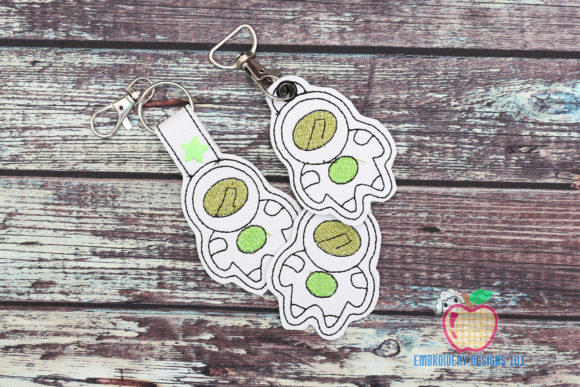
The fact that the file includes three versions—Snap Tab, Eyelet, and Ribbon—is a significant practical advantage. This isn’t just a decorative motif; it’s engineered to become a functional key fob. For crafters making products for craft fairs or online shops, this means you can offer the same charming design in different formats, increasing your product line’s breadth without designing new artwork. A ribbon version might appeal as a delicate gift, while a snap tab version feels more durable for everyday use.
Performance on Real Fabrics and Products
Let’s talk about stitching it out. Given the description states it’s 4×4 hoop friendly, my first thought is about stitch density and clarity on smaller items. On a cap or a hat, where the surface is curved and often textured, the clean lines of this bicycle should translate well, provided you use appropriate stabilizer. I’d be more cautious about very stretchy fabrics, like some t-shirts, where the satin stitches (likely used for the frame and basket) could pull or distort if not properly stabilized. The design’s simplicity is its strength here; there aren’t tiny, intricate details that might vanish on a textured fabric like a sweater.
Where to Exercise a Bit of Caution
For dark fabric backgrounds, the visual appeal will hinge entirely on your thread color choices. A light, contrasting thread will make the bicycle pop, but if you use a dark thread on a dark fabric, the design might lose its definition. This is a general rule for any machine embroidery design, but with a silhouette-based design like this, contrast is everything. Similarly, on very thin fabrics like some lightweight linens, the stitch density needs to be checked to prevent puckering. Always, always test on a scrap of your project fabric first. This isn’t just about seeing the design; it’s about feeling how the fabric handles the stitches.
Products that need frequent washing, like kitchen towels or baby items, demand robust stitching. I’d look closely at how the design finishes—are the outlines secure? Does the fill stitch in the basket feel dense enough to withstand abrasion? A well-digitized file should hold up, but verifying this on your test piece is part of professional practice. For embroidered patches, this design could be excellent, as its defined edges and clear shape would make it easy to appliqué or sew onto a backing.
Impact on Customer Perception and Product Value
From a business perspective, using a design like the Bicycle with a Basket Keyfob affects how customers perceive your work. Its friendly, non-commercial theme enhances the handmade presentation. It feels less like a generic logo and more like a thoughtful illustration, which builds customer trust and engagement. For a creative entrepreneur selling personalized gifts, this adds a layer of storytelling—you’re not just selling a keychain; you’re selling a little token of a pleasant idea. That boosts giftability and recognition.
For brand consistency, if your shop’s mood is cottage-core, gentle nostalgia, or simple joys, this design aligns effortlessly. It wouldn’t fit a high-tech or ultra-modern brand, but for many craft businesses, that’s exactly the niche. When displayed in printable mockups for your digital product listings or on your finished physical products, it conveys clarity and craftsmanship because the design itself is clean and uncluttered.
Practical Designer Notes Before You Stitch
Before loading this file for a client project or a batch of boutique merchandise, here’s my mental checklist:
- Run a test on the specific fabric you’ll use—even if it’s just a small corner. Observe the stitch formation, especially any small corners on the bicycle frame.
- Check thread color contrast against your background fabric. Consider doing a quick black and white mockup on your computer to evaluate the shape’s strength without color.
- Confirm your hoop size compatibility. The design is noted as 4×4 friendly, but ensure your machine and actual hoop setup match.
- Use the correct stabilizer for your project type. A tote bag might need a firm cut-away, while a cap might require a specific tear-away.
- Inspect the included files. You have three versions; decide which format (Snap Tab, Eyelet, Ribbon) suits your final product best.
- Most importantly, confirm the licensing terms for this digital embroidery file. Before selling finished items or using it in commercial embroidery projects, you must know if it’s permitted. This is a crucial step often overlooked.
In my experience, a design like this shines when its application is thoughtfully matched to its character. It’s not a design for every project, but for the ones it fits—personalized key fobs, themed kitchen accessories, gentle nursery decor, or simple apparel like sweatshirts—it performs with a quiet, reliable charm. It adds value by being both a functional object (as a key fob) and a decorative one, and that duality is a smart asset for any maker’s toolkit.
Ultimately, the Bicycle with a Basket Keyfob Keychain design is a practical, well-themed digital product for the transportation and craft categories. Its real worth is proven not in the file preview, but in how it stitches out, how it feels in hand, and how it resonates with the person who ends up using it. That’s the true test for any embroidery design destined for real-world use.