A Professional’s Review: Mexican Doll Embroidery Design for Business Merch
As an embroidery designer who works daily with small businesses, my process begins with evaluating a design’s potential beyond mere decoration. Today, I’m reviewing the Mexican Doll embroidery design from a purely commercial perspective. This isn't about whether it’s beautiful—the description confirms it is—but about how it performs as a branding asset for your merchandise.
First Impression: Visual Personality & Brand Alignment
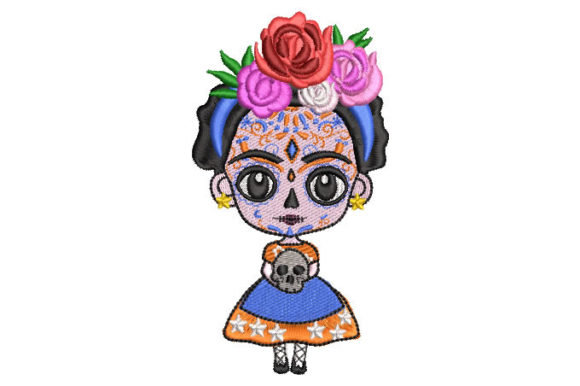
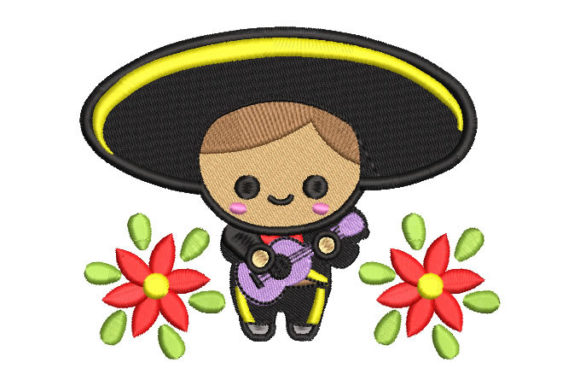
The title Mexican Doll immediately evokes a sense of cultural heritage, handmade charm, and warmth. For a business, this visual personality is a powerful starting point. The design feels rustic, friendly, and decorative. It leans toward a classic, handcrafted aesthetic rather than a minimalist or modern one. This is its primary strength. For businesses whose brand identity is built on authenticity, tradition, or artisanal quality—think a family-run café, a boutique specializing in handmade goods, a creative studio with a folk-art influence, or a florist with a rustic vibe—this design can be a perfect visual ambassador.
Conversely, if your brand voice is sleek, corporate, or ultra-modern, this design might not align without careful contextual use. Its inherent decorative nature means it works best for businesses where storytelling and visual charm are part of the product value.
Real-World Business Applications: Where Mexican Doll Excels
Let’s translate that first impression into tangible merchandise. I envision this design in several key applications for small business owners, Etsy sellers, and apparel decorators.
Branded Patches & Product Labels
The Mexican Doll design is an excellent candidate for an embroidered patch. Patches are versatile: they can be ironed or sewn onto tote bags, aprons, denim jackets, or even used as a product label sewn onto handmade items from a craft business. Its detailed, beautiful composition suggests it would create a high-value, premium-looking patch. This instantly elevates a simple tote bag or apron into a branded, desirable piece of merchandise. For a pet brand or bakery, a small Mexican Doll patch on a product bag or tag adds a unique, handmade touch that customers remember.
Apparel for Staff & Customer Engagement
On staff uniforms, such as work shirts or aprons, this design works best as an accent, not a primary logo. Consider placing it on a sleeve, a chest pocket, or the bib of an apron. It becomes a subtle, engaging detail that reinforces brand personality without overwhelming the uniform. For event merchandise or customer gifts, like a commemorative cap or a limited-edition shirt, the Mexican Doll can serve as the central, eye-catching artwork, driving recognition and conversation.
Tote Bags, Caps, & Aprons as Standalone Merch
As a main design on merchandise for sale, such as tote bags, caps, or aprons, its success hinges on size and placement. On the front of a cap, ensure it is sized appropriately to fit the curved surface without distortion. On a tote bag, centered placement often works best. These items become not just functional but collectible brand artifacts that tell a story about your business.
Practical Considerations & Potential Limitations
Every digital embroidery file has practical limits. The product description states it works with any fabric, which is promising for versatility. However, for business use, we must be meticulous.
Scale, Density, and Detail Integrity
The most critical test for Mexican Doll is scaling down for small applications. Before any production, you must test it at the intended patch or cap size. Highly detailed designs can lose definition when miniaturized. Tiny lettering (if present) or intricate outlines might become blurry or fill in with stitches. If the design comes with multiple embroidery file sizes, use the smallest one for these tests. High stitch density in a small area can also make patches stiff and less flexible for application on curved surfaces like caps.
Fabric, Color, and Durability
The advice to embroider on any fabric is a guideline, not a guarantee. For dark uniforms or textured fabrics like canvas tote bags, thread color contrast and proper stabilizer choice are paramount. I always advise testing on the actual production fabric first. Furthermore, for items that need frequent washing, like staff aprons or work shirts, a robust stitch structure and secure trimming are essential for longevity. A poorly stabilized design on a frequently washed apron will fray and lose its professional look quickly.
Brand Consistency and Commercial Licensing
Before integrating Mexican Doll into your brand assets, create a printable mockup and compare it beside your existing logo and other design elements. Does it complement them visually? Does it enhance your brand identity or clash with it? Finally, and this is non-negotiable, confirm the commercial licensing terms of this machine embroidery design. The description provided does not specify licensing. You must verify that you have the right to use this digital embroidery file for commercial embroidery projects, producing merchandise for sale. Never assume.
Designer’s Workflow for Safe Implementation
My standard workflow for deploying a design like this for a client’s business merch involves these steps:
- Initial Test in Black and White: Embroider a sample using only black thread on white fabric and white on black. This reveals the design’s structural form without color distractions, highlighting any potential issues with spacing or density.
- Verify Hoop Size Compatibility: Ensure the design file sizes match your available hoop sizes and the physical dimensions of your target merchandise (e.g., a 4" hoop for a chest logo).
- Real Fabric Test Suite: Run samples on the exact fabrics you’ll use: apron twill, cap mesh, tote bag canvas, uniform polyester. Adjust stabilizer and thread tension as needed.
- Client Mockup & Approval: Generate a clean digital mockup of the Mexican Doll on the merchandise item (apron, cap, bag) for client approval before any bulk production. This avoids costly missteps.
- Finalize Thread Palette: Select thread colors that not only match the design but also provide maximum contrast and visual pop on your chosen fabric colors, enhancing customer engagement and recognition.
Conclusion: A Design for Storytelling Brands
The Mexican Doll embroidery design is a beautiful file with significant commercial potential for the right business. Its value lies in its ability to convey handmade product ethos, cultural warmth, and artisanal care. For businesses in categories like Mexico-inspired goods, rustic homewares, handmade foods, or creative arts, it can become a cornerstone of your branded merchandise, enhancing product value and customer trust through its distinctive look.
Its application, however, demands a professional’s caution. Success depends on rigorous testing for scale, confirmation of commercial use rights, and strategic placement that aligns with your overall brand identity. When executed with these practical steps, the Mexican Doll can transform from a beautiful machine embroidery design into a powerful, profitable asset for your small business merch.